
Career as a Technical Information Scientist | Jobs, Skills & Insights | Biopatrika
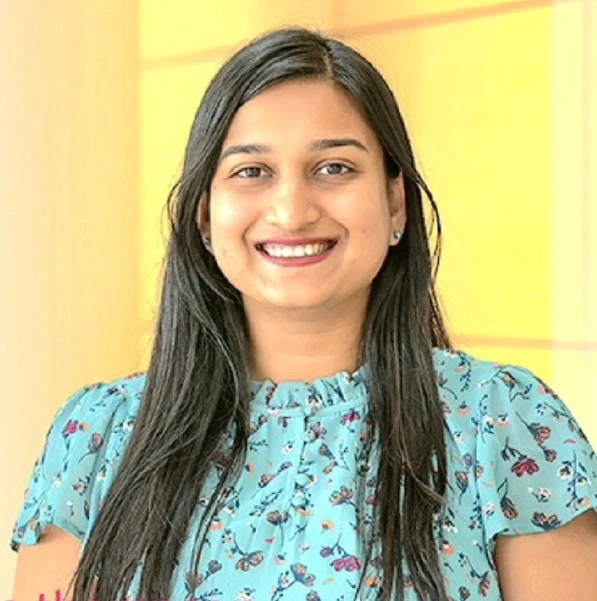
Career Konnect highlights diverse and emerging career paths for life science professionals. In this edition, we feature Charu Gupta, PhD, a Technical Information Scientist at The Jackson Laboratory, USA. With a background spanning biotechnology, bioengineering, and translational research across India, Germany, and the United States, Charu has transitioned into a unique, communication-driven scientific role. Her journey reflects how PhDs can combine science, communication, consulting, and industry engagement into impactful careers beyond the lab.
Current: Senior Consultant- Technical Information Services, The Jackson Laboratory
Career Konnect Interview
Q1. Charu, could you walk us through your academic and career journey?
Charu:
It has been a long but interesting journey. I completed my schooling, Bachelor’s, and Master’s in India, with a background in biotechnology and bioengineering. After that, I initially aimed for PhD programs in India but did not get through, which pushed me to explore opportunities abroad. I eventually pursued my PhD in Germany at Hannover Medical School, where I worked in a translational research lab and gained exposure to clinical settings.
After completing my PhD, I continued with a postdoc—first in Germany and later at the University of Michigan in the United States. Eventually, I transitioned into my current role as a Technical Information Scientist at The Jackson Laboratory.
Q2. The role of a Technical Information Scientist is not very common. How did you transition into this career?
Charu:
It was not a straightforward path. When I moved to the US, it was during the COVID period, and job opportunities were limited. I also had visa-related challenges, which made the process even more complicated. However, that phase gave me time to reflect on what I truly wanted to do.
During this time, I also worked with Biopatrika, which exposed me to science communication. I realized that I enjoyed interacting with people, discussing science in a more conversational way, and making it accessible. This made me explore roles that combined science with communication.
I initially looked into medical affairs and even pursued certification for becoming a Medical Science Liaison (MSL). Although that path did not directly materialize, it helped me build relevant skills. I also worked on internships and projects involving writing, PR meetings, and scientific communication.
Eventually, I came across the Technical Information Scientist role. At first, I misunderstood it as something related to IT, but it is actually a blend of a Field Application Scientist, consultant, educator, and communicator. I connected with professionals in this role through LinkedIn, learned more about it, and realized it aligned perfectly with my interests. Networking played a huge role in helping me land this position.
Q3. What exactly does a Technical Information Scientist do?
Charu:
The role is highly dynamic and involves multiple responsibilities. At its core, it is about supporting scientists, researchers, and clients by providing technical and scientific guidance.
On a typical day, I start by organizing my schedule and reviewing my tasks. A major part of my work involves answering scientific queries that come in via email. These questions can range from simple requests, like identifying a suitable mouse model, to complex study design consultations.
I also have designated hours where I am available on call to directly interact with researchers. These conversations can involve troubleshooting experiments, guiding study designs, or addressing product-related issues.
In addition to that, I participate in client meetings where we provide deeper scientific consultation, particularly in areas like immuno-oncology and preclinical study design. I also contribute to educational content such as webinars, blogs, and training materials.
Internally, I am involved in discussions related to product development, innovation, and scientific strategy. So overall, the role is a mix of science, communication, consulting, and collaboration.
Q4. How does travel fit into your role?
Charu:
Travel is an important component of my job—around 25–30% of the time. I attend conferences where I may present, support the sales team, or engage with researchers directly.
At conferences, I interact with scientists, answer their questions, and gather insights about emerging research needs. These interactions are valuable because they help inform product development and strategic decisions within the organization.
So while travel is exciting, it is also very purpose-driven and centered around scientific engagement.
Q5. What skills are essential to succeed in this role?
Charu:
Communication is one of the most critical skills. You need to be able to explain complex scientific concepts clearly and effectively to different audiences.
Another important skill is adaptability. The role involves handling diverse queries, interacting with different stakeholders, and managing multiple responsibilities simultaneously.
Patience is also key. Unlike academia, where discussions can sometimes feel like debates, in this role you need to step back, understand the question, and respond thoughtfully.
Additionally, networking plays a huge role. Building connections, reaching out to people, and learning from others can significantly influence your career trajectory.
Q6. What challenges did you face during your transition, especially related to working abroad?
Charu:
One of the biggest challenges was navigating the visa system in the United States. It can be extremely complex and unpredictable. There were periods of uncertainty, long waiting times, and limited opportunities due to visa restrictions.
This phase was mentally and professionally challenging, but it also taught me resilience and patience. I learned to explore alternative paths, build skills, and leverage networking opportunities.
I would advise anyone planning to move abroad to be well-prepared and understand the realities of the system.
Q7. What advice would you give to PhDs considering non-traditional careers like this?
Charu:
Be open to exploring different career paths and do not limit yourself to traditional roles. Take time to understand what you enjoy—whether it is research, communication, consulting, or something else.
Networking is extremely important. Reach out to people, have conversations, and learn about different roles. Most opportunities come through connections.
Also, do not burn bridges. Maintain professional relationships because you never know when they might help you in the future.
Lastly, trust the process. Sometimes things take time, but they often work out in unexpected ways.
Charu Gupta’s journey highlights how adaptability, communication, and networking can open doors to unconventional and impactful careers. The role of a Technical Information Scientist is ideal for those who enjoy combining science with interaction, problem-solving, and real-world application.
Interested in sharing your journey?
Interested in sharing your career journey or job insights?
Check this out and fill the form today:
https://biopatrika.com/career/career-konnect/reimagining-careers-in-life-sciences-career-konnect/
Explore more
🎤 Career – Real career stories and job profiles of life science professionals. Discover current opportunities for students and researchers.
💼 Jobs – The latest job openings and internship alerts across academia and industry.
🛠️ Services – Regulatory support, patent filing assistance, and career consulting services.