
Career in Science Communication after PhD | Dr. Amrita Iyer | Biopatrika
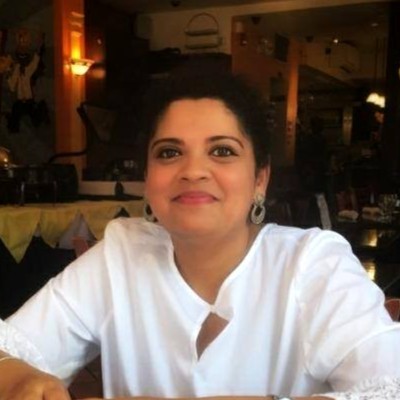
Career Konnect highlights diverse and emerging career paths for life science professionals. In this edition, we feature Dr. Amrita Iyer, a Science Writer and Science Communicator at Tempus Labs, USA. With a background in biotechnology, genetics, and years of research experience, Amrita transitioned from bench science into science communication—bridging the gap between complex research and broader audiences. Her journey reflects how passion for storytelling and communication can evolve into a fulfilling full-time career beyond the lab.
Current: Senior Science Writer, Tempus AI, USA
Career Konnect Interview
Q1. Amrita, could you walk us through your academic and career journey?
Amrita:
I started my academic journey with a Bachelor’s in Biotechnology from VIT Vellore, followed by a Master’s by Research in Biological Sciences from IIT Madras. Later, I moved to the United States to pursue my PhD in Human and Molecular Genetics at Baylor College of Medicine.
For several years, I worked as a bench scientist, gaining extensive experience in experimental biology and genetics. However, during my PhD, I began exploring opportunities outside the lab. This was partly driven by the need to find a better work-life balance and also to engage in something intellectually stimulating beyond routine experiments.
It was during this time that I discovered science communication. I became curious about how scientists communicate complex ideas to broader audiences and started actively exploring this field. Over time, I realized that this was something I genuinely enjoyed and wanted to pursue further.
Q2. How did you transition from research to science communication?
Amrita:
My transition was gradual and involved actively building experience alongside my PhD. I started engaging with science communication platforms and organizations. One of my early experiences was with ComSciComm, where I participated in workshops focused on communicating science effectively.
I also worked as an editor for a blog called Club SciDi, which gave me exposure to writing, editing, and collaborating with illustrators and other contributors. Additionally, I had opportunities to interact with school students, explaining my research in a simplified and engaging manner.
These experiences helped me understand the scope and impact of science communication. By the time I completed my PhD, I had built enough confidence and experience to pursue this field full-time. I decided to move away from bench research and focus entirely on science communication.
Q3. What does your current role as a science communicator involve?
Amrita:
In my current role at Tempus Labs, I work as a science writer within the scientific communications team. Our primary responsibility is to support researchers in communicating their work effectively.
We are involved in the final stages of research projects, helping transform complex scientific findings into formats suitable for journals, conferences, and publications. This includes writing abstracts, preparing manuscripts, and designing posters.
At any given time, I manage multiple projects, each at a different stage. This requires strong organizational skills and the ability to switch between tasks efficiently. Although I am no longer performing experiments, I remain closely connected to the research process by working with scientists and interpreting their findings.
Q4. How is this role different from traditional research roles?
Amrita:
The primary difference is that I am no longer directly involved in conducting experiments. Instead, my focus is on communicating scientific results effectively.
However, this role still requires a deep understanding of science. I need to interpret data, understand research objectives, and tailor the communication based on the target audience. Each journal or platform has a different audience, and adapting the message accordingly is a key part of my work.
While research roles focus on generating data, my role focuses on translating that data into meaningful narratives that can be understood and appreciated by a wider audience.
Q5. What skills are essential for a career in science communication?
Amrita:
Many of the required skills are already developed during a PhD. Skills such as time management, project management, and the ability to handle multiple tasks are directly transferable.
In addition, strong writing and communication skills are essential. You need to be able to understand complex scientific concepts and explain them in a simple and engaging way. Visual communication, such as creating effective posters and presentations, is also important.
Another key factor is having relevant experience. Building a portfolio through writing, editing, or participating in science communication initiatives can significantly improve your chances of entering this field.
Q6. How important is it to start early if someone is interested in this career?
Amrita:
Starting early is extremely important. Many roles in science communication require prior experience, and it can be challenging to build that experience at the end of a PhD.
I would recommend that students start exploring these opportunities during the early years of their PhD. This allows them to build a strong profile over time without compromising their research work.
Having a separate portfolio or resume tailored to science communication roles can also be very helpful.
Q7. What role did mentorship play in your journey?
Amrita:
Mentorship played a significant role in shaping my career. My PhD advisor was very supportive and emphasized the importance of clear communication.
He encouraged us to focus on making our presentations understandable and engaging, rather than just presenting data. This approach had a lasting impact on how I communicate science today.
He also provided the flexibility to explore interests outside the lab, which allowed me to pursue science communication alongside my research.
Q8. What motivates you in your current role?
Amrita:
One of the biggest motivations is the ability to see the final outcome of my work. Transforming complex data into a well-structured and visually engaging format is very satisfying.
I also enjoy the collaborative aspect of my role. Working with a supportive team and interacting with different researchers makes the work dynamic and engaging.
The creative freedom to experiment with different ways of presenting information is another aspect that keeps me motivated.
Q9. How do you maintain work-life balance and pursue your interests?
Amrita:
I now have more flexibility compared to my PhD days, which allows me to pursue my hobbies. I enjoy cooking, gardening, and practicing music.
I also like writing fiction, which gives me a creative outlet beyond scientific writing. These activities help me relax and maintain a balanced lifestyle.
Dr. Amrita Iyer’s journey highlights how curiosity, creativity, and proactive skill-building can open doors to careers beyond traditional research. Her story demonstrates that science communication is not just an alternative path, but a powerful way to amplify the impact of scientific discovery.
Interested in sharing your journey?
Interested in sharing your career journey or job insights?
Check this out and fill the form today:
https://biopatrika.com/career/career-konnect/reimagining-careers-in-life-sciences-career-konnect/
Explore more
🎤 Career – Real career stories and job profiles of life science professionals. Discover current opportunities for students and researchers.
💼 Jobs – The latest job openings and internship alerts across academia and industry.
🛠️ Services – Regulatory support, patent filing assistance, and career consulting services.