
Eli Lilly’s Next-Gen Obesity Drug Delivers Record Weight Loss and Knee Pain Relief in Late-Stage Trial
Eli Lilly’s next-generation obesity drug, retatrutide, has delivered the strongest weight-loss results seen so far in a late-stage clinical trial—while also significantly reducing knee osteoarthritis pain. The findings mark a major milestone for the pharmaceutical giant, which aims to expand its dominance in the booming metabolic health and obesity drug market.
Retatrutide, often called the “triple G” drug, mimics three hunger- and metabolism-regulating hormones—GLP-1, GIP, and glucagon—giving it a broader physiological impact than current treatments like semaglutide (Wegovy) or tirzepatide (Zepbound).
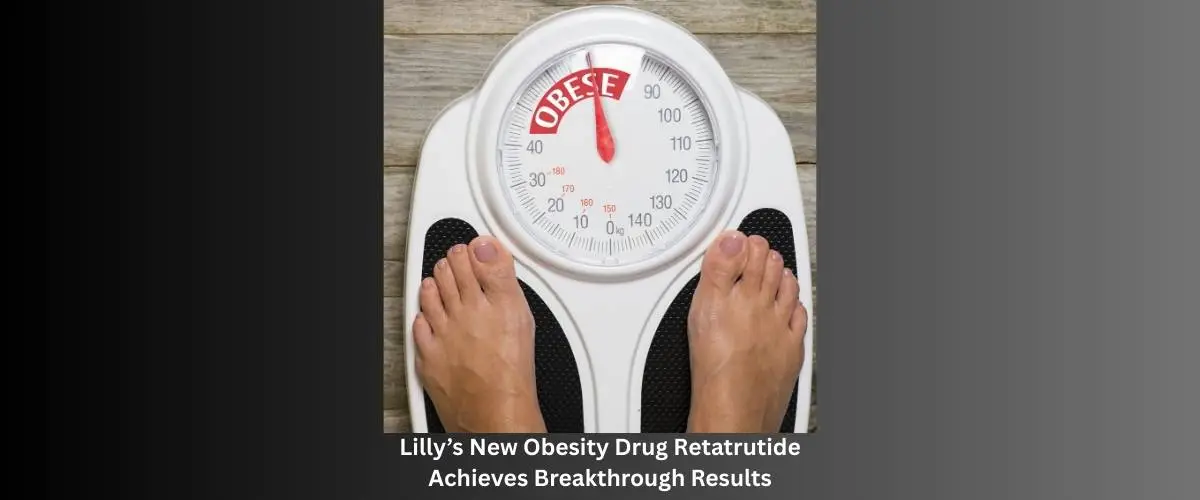
Record-Breaking Weight Loss Outcomes
In the Phase 3 TRIUMPH-4 study, retatrutide demonstrated unprecedented weight-loss efficacy among adults with obesity and knee osteoarthritis:
-
23.7% average weight loss at 68 weeks including all patients
-
28.7% average weight loss among patients who stayed on treatment
-
Some patients lost so much weight that they exited the trial voluntarily
-
84% of trial participants had severe obesity (BMI ≥ 35)
Dr. Caroline Apovian of Brigham and Women’s Hospital described the results as “incredible,” noting that the drug’s effectiveness “rivals the weight-loss benefits of surgery.”
Shares of Eli Lilly rose more than 3% after the announcement.
Dual Benefit: Significant Knee Pain Reduction
Beyond weight loss, retatrutide met its second primary goal—reducing knee pain associated with osteoarthritis. Results showed:
-
Up to 62.6% reduction in knee pain on average
-
More than 1 in 8 patients became completely pain-free by week 68
This dual efficacy positions retatrutide as a compelling option for people with severe obesity complicated by joint disease.
Side Effects and Dropout Trends
As with other metabolic drugs, gastrointestinal side effects were common:
-
Nausea: 43%
-
Diarrhea: 33%
-
Vomiting: 20.9%
-
Dysesthesia (nerve-related discomfort): 20%, generally mild
18% of patients on the highest dose discontinued treatment, often due to rapid or excessive weight loss. In those with BMI ≥ 35, discontinuation dropped to 12%, similar to other GLP-1/GIP drugs.
Why Retatrutide Could Redefine Obesity Treatment
Retatrutide activates three metabolic pathways, giving it stronger appetite-suppressing and energy-regulating capabilities than existing drugs:
-
Wegovy (semaglutide): GLP-1 mimetic
-
Zepbound (tirzepatide): GLP-1 + GIP mimetic
-
Retatrutide: GLP-1 + GIP + glucagon mimetic
This triple-agonist profile may explain its superior results.
Industry analysts estimate the global obesity drug market could reach $100 billion by the 2030s. Retatrutide is central to Lilly’s strategy to maintain its market advantage over Novo Nordisk, which is also developing a triple-agonist candidate but remains years behind.
What Comes Next?
Retatrutide still faces extensive testing. Lilly expects results from seven more Phase 3 trials by the end of 2026, including studies focused exclusively on weight-loss outcomes. Commercial timelines remain unclear.
Despite competition from Novo Nordisk, retatrutide’s early results mark one of the most significant advances in obesity therapeutics to date.
Industry News: https://biopatrika.com/category/industry/pharma-biopharma/