
Scientists Turn Cancer’s “Energy Trick” Against It in New Immunotherapy Breakthrough
In a breakthrough that builds on a century-old discovery, scientists have found a new way to help the body’s immune system hunt down cancer by targeting how tumor cells produce energy. In 1923, German scientist Otto Warburg observed that cancer cells generate energy differently from normal cells—a phenomenon now known as the “Warburg effect.” Researchers at Stanford Medicine have now turned this insight into a powerful therapeutic strategy by engineering immune cells to detect these abnormal metabolic signals and use them to locate and destroy tumors.
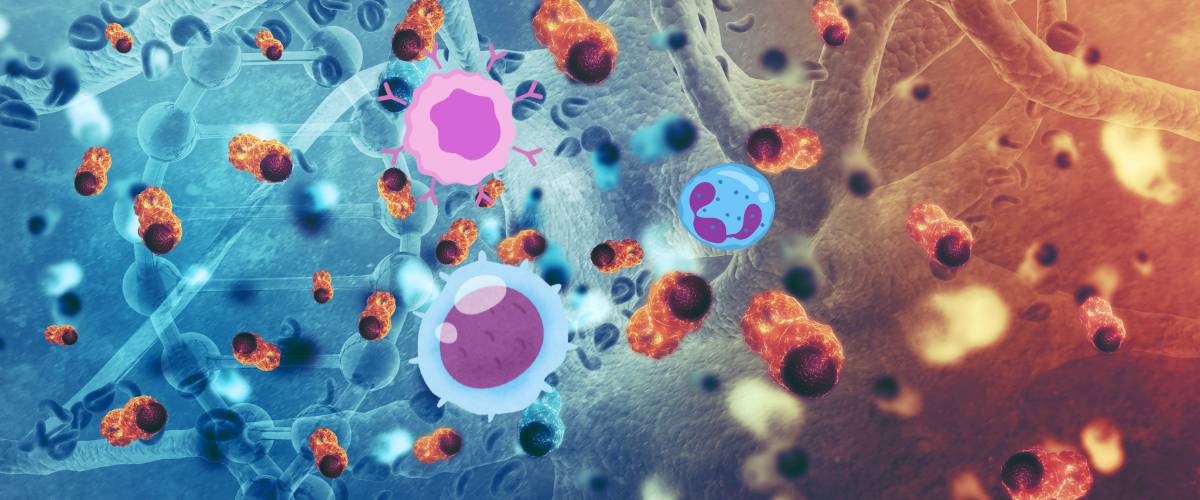
Traditionally, cancer immunotherapies such as CAR-T cells identify tumors by recognizing specific proteins on their surface. However, many solid tumors evade detection by altering or hiding these markers. The new approach shifts focus from what cancer cells look like to how they function internally. Cancer cells release unique chemical byproducts as a result of their altered metabolism, effectively leaving behind a biochemical “trail.” By equipping immune cells—specifically T cells and natural killer (NK) cells—with specialized metabolite-sensing receptors, researchers have enabled them to detect and follow these signals directly to the tumor site.
The study, published in Nature Immunology (2026), shows that these engineered immune cells can more effectively infiltrate solid tumors, a long-standing challenge in cancer treatment. Once inside, they demonstrate enhanced ability to attack and control tumor growth. In laboratory and animal models, the modified cells significantly improved tumor targeting and, in some cases, led to tumor eradication. The receptors used in this approach, including GPR183 and related molecules, allow immune cells to respond dynamically to chemical cues released by cancer cells, essentially turning the tumor’s own biology into a guiding system for its destruction.
What makes this development particularly exciting is its potential to overcome one of the biggest limitations of current immunotherapies: poor penetration into solid tumors. By converting metabolic signals into navigational cues, scientists have effectively created “smart” immune cells that can seek out cancer with greater precision. Experts believe this could mark a shift toward a new generation of treatments that are guided not just by genetic or protein markers, but by the biochemical environment of disease.
Although the research is still in preclinical stages, the findings open up a promising new direction for cancer therapy. Future work will focus on ensuring safety, refining the technology, and testing its effectiveness in human patients. If successful, this approach could lead to more targeted, durable, and widely effective treatments, especially for cancers that have so far been difficult to treat. By exploiting a fundamental weakness in cancer’s metabolism, scientists may have found a new way to stay one step ahead of a disease that has long evaded even the most advanced therapies.
Source: https://www.nature.com/articles/s41590-026-02473-y
Explore more
🎤 Career – Real career stories and job profiles of life science professionals. Discover current opportunities for students and researchers.
💼 Jobs – The latest job openings and internship alerts across academia and industry.
🛠️ Services – Regulatory support, patent filing assistance, and career consulting services.