
Integrative transcriptomics, metabolomics reveals distinct metabolic reprogramming in breast cancer
Research Summary: Integrated transcriptomic and metabolomic study of luminal A and triple-negative breast cancer cells reveals aggressive metabolic reprogramming and therapy resistance in TNBC, identifying subtype-specific molecular differences and potential metabolic vulnerabilities.
Researcher Spotlight

Preeti Surendra Ranawade is a PhD student whose work focuses on multi-omics research in breast cancer. Her dedication and perseverance, combined with guidance from her mentor, led to this impactful study.
Linkedin: www.linkedin.com/in/preeti-ranawade-695607157
Instagram: https://www.instagram.com/the_cheerful_pretty/
Lab: Dr. Smriti PK Mittal, Savitribai Phule Pune University
What was the core problem you aimed to solve with this research?
Breast cancer comprises multiple subtypes based on the presence or absence of estrogen receptor (ER), progesterone receptor (PR), and human epidermal growth factor receptor 2 (HER2). The Luminal A subtype is characterized by the presence of ER and PR and is generally associated with a better prognosis. In contrast, Triple-Negative Breast Cancer (TNBC) lacks ER, PR, and HER2 expression, which contributes to its aggressive behavior and poorer clinical outcomes. To better understand the mechanisms underlying the poor prognosis of TNBC, this study was conducted.
How did you go about solving this problem?
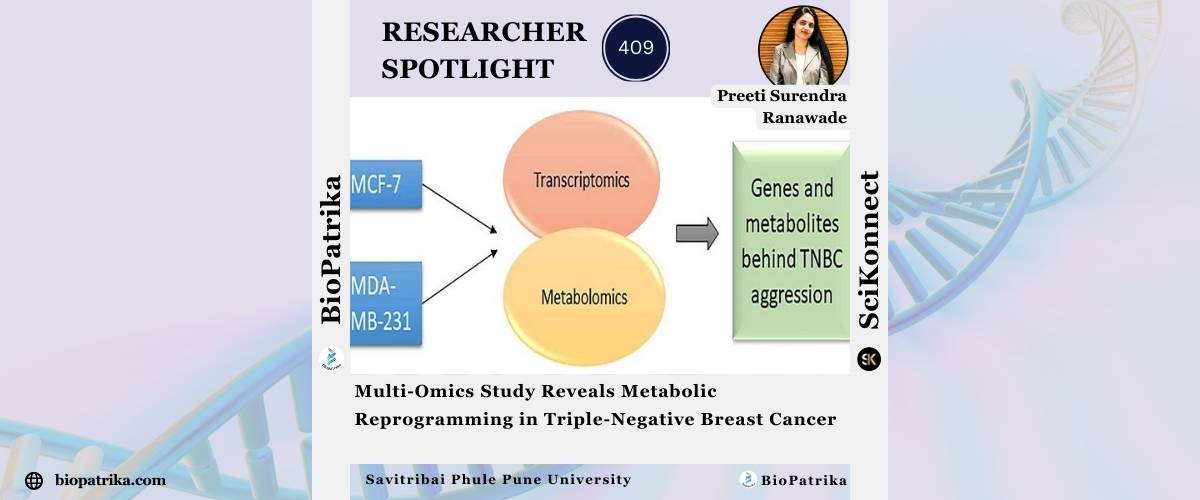
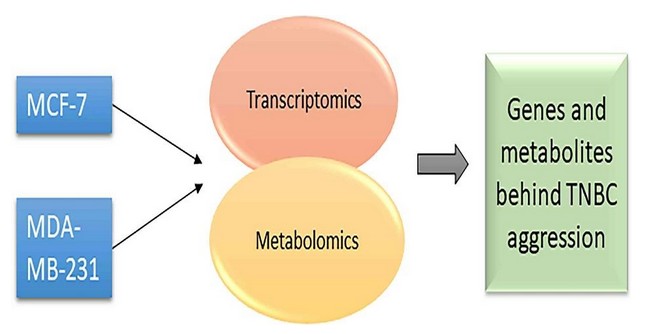
To address this problem, luminal A–specific MCF-7 and TNBC-specific MDA-MB-231 cell lines were included in the study. An integrative transcriptomic and metabolomic analysis revealed enrichment of multiple metabolic pathways, including beta-alanine metabolism, glutathione metabolism, the TCA cycle, and nucleotide metabolism. Increased levels of specific metabolites and their corresponding genes within these pathways were correlated and validated in this study.
Integrative multiomics reveals TNBC metabolic reprogramming that drives aggressiveness, stress adaptation, therapy resistance, and exposes subtype-specific therapeutic vulnerabilities for targeted treatment. — Dr. Smriti PK Mittal
How would you explain your research outcomes (Key findings) to the non-scientific community?
Our findings show that different types of breast cancer use energy and nutrients in different ways. The triple-negative type relies on tightly connected internal processes that help it grow quickly, survive stress, and build the materials needed to multiply. These abilities may explain why it spreads more easily and does not respond well to treatment. Understanding these differences could help scientists develop treatments that specifically target the weaknesses of each breast cancer type.
What are the potential implications of your findings for the field and society?
Our findings could help scientists design clinical trials specifically for the TNBC subtype. TNBC is a highly aggressive form of breast cancer, and because it lacks hormone receptors, it does not respond to hormonal therapies. Targeting the genes and metabolites identified in our study could help reduce its aggressiveness and provide new treatment strategies for TNBC patients.
What was the exciting moment during your research?
The most exciting part of the research was identifying key metabolites from the pathways and successfully validating these metabolites along with their corresponding genes from metabolomics and transcriptomics study.
Paper reference: Ranawade, P., Sonwane, B., Bose, G., Jadhav, R., Joshi, R., & Mittal, S. (2026). Integrative transcriptomics and metabolomics reveal distinct metabolic reprogramming in luminal and triple-negative breast cancer cells. Molecular Omics, 22(1), aaiaf003. https://doi.org/10.1093/momics/aaiaf003
Explore more
🎤 Career – Real career stories and job profiles of life science professionals. Discover current opportunities for students and researchers.
💼 Jobs – The latest job openings and internship alerts across academia and industry.
🛠️ Services – Regulatory support, patent filing assistance, and career consulting services.