
Career in Bioprocess Development & Cell Therapy Manufacturing | Archana Ganesh | Biopatrika
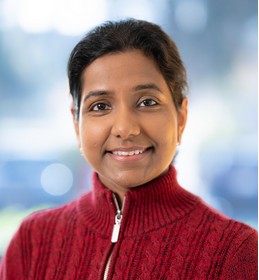
Career Konnect brings forward diverse and evolving career paths for life science professionals. In this edition, we feature Archana Ganesh, Scientist II at Cellares, USA. With a strong background in biosystems engineering and over 12 years of experience in bioprocess development, her journey highlights contributions to IND-stage biologics and advanced cell therapy manufacturing, including scalable CAR-T production and GMP processes.
LinkedIn: Archana Ganesh | LinkedIn
Career Konnect Interview
Part 1: General Information
Current Position: Archana Ganesh is a Scientist II at Cellares, where she serves as a subject matter expert in process characterization for cell therapy manufacturing. Her work focuses on improving scalability, consistency, and cost efficiency of autologous CAR-T production using automated manufacturing platforms, while aligning with clinical and regulatory requirements.
Company: Cellares
Location: San Francisco, USA
Part 2: Career Path and Education
Academic Background: Her academic training in biosystems engineering provided a strong foundation in bioprocess design, fermentation systems, and analytical evaluation of biological processes, which she has applied across biologics and advanced therapy development.
Career Path: Over the course of her 12+ year career, Archana Ganesh has worked across fermentation-based biologics, protein therapeutics, gene therapy, and cell therapy platforms. Her experience spans process development, scale-up, and translation of early-stage systems into GMP manufacturing.
She has contributed to multiple IND-stage programs, where her work has involved process characterization, technology transfer, and development of manufacturing strategies supporting clinical trials. Across her roles, she has worked at the interface of development, manufacturing, and regulatory functions to enable progression of biologics toward clinical application.
In prior roles, she contributed to the development of scalable process models and characterization strategies that reduced development risk and supported IND-enabling activities. Her work has supported clinical-stage manufacturing and patient-dosed therapies, including programs with outcomes reported in peer-reviewed literature.
Role of Degree: Her degree enabled a systems-level understanding of process engineering and biological systems, which has been critical in addressing challenges related to scale-up, variability, and process robustness across biologics manufacturing platforms.
Part 3: Job Role and Responsibilities
Daily Responsibilities: Her work centers on process characterization and optimization for biologics manufacturing systems. She evaluates critical process parameters, defines control strategies, and ensures alignment between development-stage processes and manufacturing requirements for clinical production.
She also contributes to technical documentation and regulatory submissions by providing scientific justification for process parameters and performance.
Skillset: Her expertise includes bioprocess development, fermentation scale-up, and cell therapy manufacturing. She has extensive experience in Design of Experiments (DOE), process characterization, and identifying critical process parameters that influence product quality and scalability.
She also has significant experience in CMC documentation, GMP manufacturing processes, and cross-functional collaboration across manufacturing, regulatory, and quality teams.
Challenges and Rewards: A key challenge in her work has been managing variability across biologics systems. In fermentation-based production, this involves controlling process parameters to ensure consistent yield and product quality. In cell therapy, donor-to-donor variability introduces additional complexity that directly impacts manufacturing consistency and scalability.
Addressing these challenges requires development of robust, scalable processes that meet both manufacturing and regulatory expectations. The most rewarding aspect of her work is contributing to processes that enable clinical-grade production and support therapies reaching patients.
Work-Life Balance: She maintains balance through structured prioritization and focusing on high-impact workstreams, while ensuring time for recovery and sustained productivity. She enjoys music and spending time with her family after work.
Part 4: Future Opportunities
Career Progression: Bioprocess development offers opportunities to advance into technical leadership roles, including defining process strategies, overseeing scale-up and commercialization, and contributing to next-generation biologics manufacturing platforms.
Industry Trends: She notes that the biologics industry is increasingly focused on automation, closed-system manufacturing, and improving reproducibility across complex biological systems. In cell therapy, reducing variability and enabling scalable manufacturing remain key challenges, while fermentation technologies continue to evolve toward greater efficiency and cost-effective production.
There is also increasing emphasis on integrating process development with regulatory strategy early in development to accelerate clinical translation.
Advice for Aspiring Scientists: She advises aspiring scientists to develop a strong foundation in engineering and process understanding and to focus on how variability impacts biological systems. Gaining exposure to both development and regulatory aspects of biologics can provide a more comprehensive perspective on translating therapies from concept to clinic.
Resources: Engaging with scientific literature, industry conferences, and interdisciplinary collaboration can provide valuable exposure to evolving trends in biologics development and bioprocessing.
Bioprocess development plays a critical role in translating biologics and cell therapies from research to clinical manufacturing.
Archana Ganesh’s journey highlights how expertise in scalability, process optimization, and GMP systems enables reliable and cost-effective CAR-T production.
Interested in sharing your journey?
Interested in sharing your career journey or job insights?
Check this out and fill the form today:
https://biopatrika.com/career/career-konnect/reimagining-careers-in-life-sciences-career-konnect/
New Book Launched – Molecules, Mentors & Mindsets: Building Indian Biopharma
Buy your copy today: https://biopatrika.com/science-society/book-molecules-mentors-mindsets-building-indian-biopharma-biocon/
Book Launch: Molecules, Mentors & Mindsets: Building Indian Biopharma | Biocon Focus
Online Interactive Course on Immunology | Starts form June 2026 | Register Today
Online Interactive Course on Immunology | Starts form June 2026 | Register Today