
Career as a Research Scientist (Industry) after PhD in USA – Dr. Angad Garg
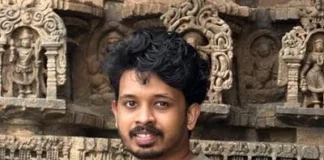
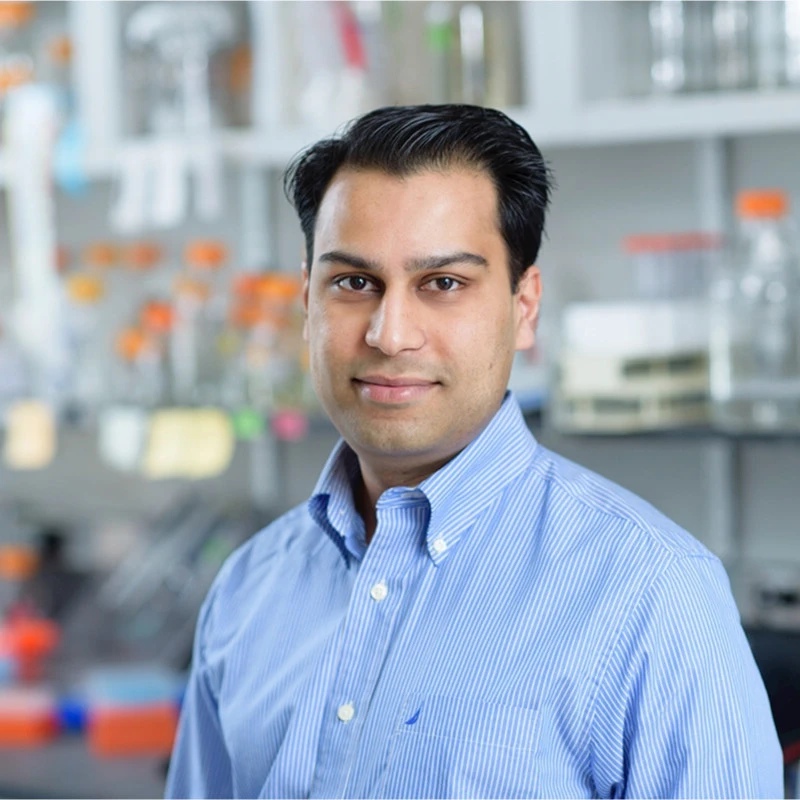
Career Konnect brings forward diverse and evolving career paths for life science professionals. In this edition, we feature Dr. Angad Garg, Principal Scientist at NanoMosaic Inc., USA. With a background in biomedical sciences and extensive training in genetics, cell biology, and structural biology, his journey from Delhi University to Stony Brook University and postdoctoral research, and eventually into industry, highlights how scientific expertise and strategic skill-building can lead to impactful careers in biotech and startups.
Career Konnect Interview
Q1. Angad, could you walk us through your academic journey and what motivated you to pursue a PhD?
I completed both my Bachelor’s and Master’s degrees in Biomedical Sciences from Delhi University. During my early academic years, I developed a strong interest in the cell cycle, which I first encountered during my undergraduate studies. I found the topic fascinating and was particularly interested in understanding it at a deeper, genome-wide level.
This curiosity motivated me to pursue a PhD in the United States. I joined Stony Brook University, where I worked on cell cycle regulation, integrating approaches from genetics and cell biology. My goal was to combine my interest in large-scale genomic studies with mechanistic insights into cellular processes.
Q2. What were the key skills you developed during your PhD?
One of the most important skills I developed during my PhD was problem-solving. Often, you are faced with challenges where there is no predefined solution, and you have to figure things out from scratch. This ability to independently navigate complex problems is invaluable.
Another important skill is persistence. Research can be challenging, and experiments do not always work as planned. Being able to push through difficult phases and continue working toward a solution is critical for success.
Q3. What motivated your transition into postdoctoral research, and what did you gain from it?
After my PhD, I wanted to expand my expertise beyond genetics and cell biology into structural biology and biochemistry. My postdoctoral work allowed me to learn new techniques, such as working with purified proteins and developing biochemical assays.
During this phase, I also gained significant experience in project management. I learned how to efficiently manage projects, prioritize tasks, and deliver results within timelines. These skills are extremely important and transferable to both academia and industry.
Q4. How should students plan their PhD if they are considering industry careers?
Planning ahead is crucial. Students should start thinking early about whether they want to pursue academia or industry. This decision can influence the type of projects they choose, the skills they develop, and the networks they build.
Engaging with professionals in industry, conducting informational interviews, and understanding industry requirements can provide valuable insights. Building a network early on can significantly ease the transition later.
It is also important to select projects that are manageable and can lead to tangible outcomes, such as publications and skill development.
Q5. What are the key skills required for industry roles beyond technical expertise?
In addition to technical skills, soft skills play a critical role in industry. Communication is one of the most important skills, as you need to present your ideas clearly in meetings and collaborate with diverse teams.
Project management is another essential skill. Being able to break down tasks, prioritize work, and deliver results efficiently is highly valued.
Confidence in presenting your expertise and the ability to engage with stakeholders are also important aspects of working in industry.
Q6. What was your experience transitioning from academia to industry?
The transition involved learning how to present my skills in a way that aligns with industry expectations. One of the key aspects was tailoring my CV to highlight relevant skills and experiences rather than listing everything I had done.
I also learned the importance of concise communication. Industry recruiters often look for clarity and relevance, so it is important to present your strengths effectively.
Networking and seeking feedback from professionals in industry played a significant role in improving my application materials and increasing my chances of securing interviews.
Q7. What advice would you give regarding CV preparation and job applications?
Your CV should be concise, targeted, and aligned with the job description. Highlight your key skills, achievements, and how they relate to the role you are applying for.
Avoid overloading your CV with unnecessary details. Instead, focus on presenting your strengths clearly and effectively.
Seeking feedback from mentors and professionals in industry can greatly improve your CV and application strategy.
Q8. What role did mentorship play in your career journey?
Mentorship has been extremely important in my career. Having mentors who provide guidance, feedback, and insights can significantly accelerate your growth.
Different mentors can support you in different areas, whether it is technical skills, career decisions, or personal development. Being open to feedback and willing to adapt is key to making the most of mentorship.
Q9. What does a typical week look like in your role?
Work in industry often follows a dynamic pattern, with periods of intense activity followed by relatively quieter phases. My role involves both scientific work and interaction with stakeholders.
A significant part of the job includes meetings with clients and collaborators, especially in a startup environment where understanding customer needs and communicating the value of technology is essential.
In addition to experimental work, collaboration and communication are integral parts of the role.
Q10. How do you maintain work-life balance?
Currently, much of my time outside work is dedicated to my family. I enjoy spending time with my children, which helps me relax and recharge.
In the future, I hope to return to hobbies such as playing tennis and guitar. Maintaining a balance between work and personal life is important, even in demanding roles.
Dr. Angad Garg’s journey highlights how scientific curiosity, adaptability, and strategic skill-building can lead to successful careers in industry research. His experience emphasizes the importance of planning, networking, and developing both technical and soft skills to navigate the transition from academia to industry.
Interested in sharing your journey?
Interested in sharing your career journey or job insights?
Check this out and fill the form today:
https://biopatrika.com/career/career-konnect/reimagining-careers-in-life-sciences-career-konnect/
New Book Launched – Molecules, Mentors & Mindsets: Building Indian Biopharma
Buy your copy today: https://biopatrika.com/science-society/book-molecules-mentors-mindsets-building-indian-biopharma-biocon/
Book Launch: Molecules, Mentors & Mindsets: Building Indian Biopharma | Biocon Focus
Online Interactive Course on Immunology | Starts form June 2026 | Register Today
Online Interactive Course on Immunology | Starts form June 2026 | Register Today