
Gut Microbe Molecule Linked to Artery Blockage, Opening New Path for Heart Disease Treatment
A molecule produced by gut bacteria may play a direct role in driving atherosclerosis—the underlying cause of most heart diseases—according to a new study published in Nature. The discovery not only challenges traditional views of cardiovascular risk but also introduces a promising new target for early diagnosis and therapy.
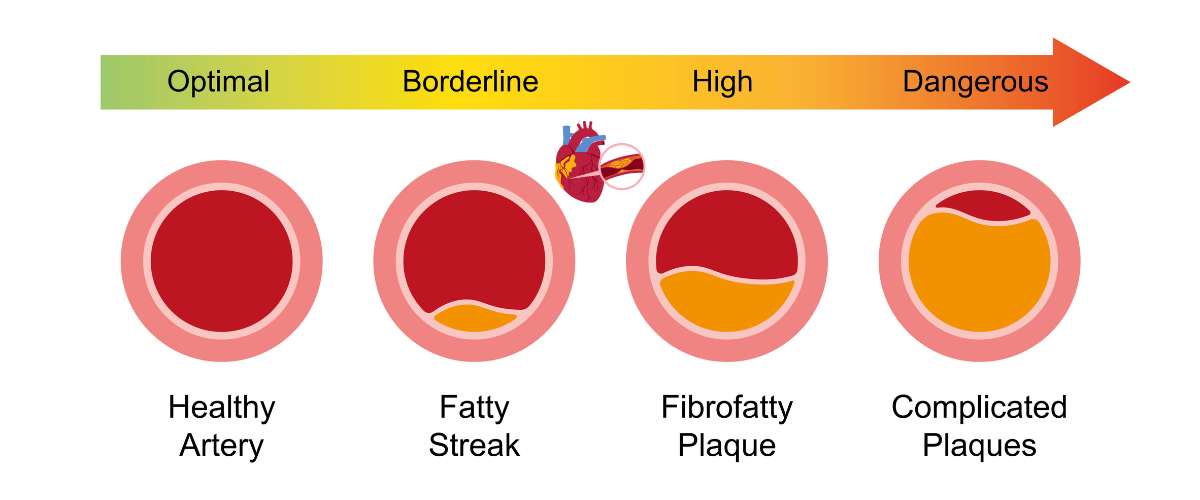
Atherosclerosis, characterized by the buildup of fatty plaques in arteries, has long been associated with factors such as cholesterol, blood pressure, and lifestyle. However, researchers now report that a microbial metabolite called imidazole propionate (ImP) can independently trigger and accelerate the disease.
A Microbial Link to Heart Disease
The human gut hosts trillions of microorganisms that produce a wide range of metabolites. While many are beneficial, some may have harmful effects.
The study found that ImP, a molecule generated by gut microbes, is strongly associated with the presence and progression of atherosclerosis in both mice and human cohorts. Notably, elevated ImP levels were detected even in individuals without traditional cardiovascular risk factors, suggesting it could serve as an early biomarker of disease.
Beyond Cholesterol: A New Disease Driver
In a striking finding, researchers demonstrated that administering ImP to mice was sufficient to induce atherosclerosis—even without changes in cholesterol levels.
Instead of acting through lipid metabolism, ImP appears to drive disease by:
- Activating immune responses
- Increasing inflammation
- Promoting the recruitment of immune cells to arterial walls
This reveals a previously underappreciated pathway in cardiovascular disease—one that operates independently of cholesterol.
The ImP–I1R Axis: A New Therapeutic Target
The study identified the imidazoline-1 receptor (I1R), also known as nischarin, as the key mediator of ImP’s effects.
When ImP binds to I1R in immune cells, it triggers inflammatory signaling pathways that accelerate plaque formation. Importantly, blocking this ImP–I1R axis:
- Reduced inflammation
- Prevented plaque buildup
- Slowed disease progression in animal models
These findings suggest that targeting this pathway could complement existing treatments, particularly for patients who continue to face cardiovascular risk despite cholesterol-lowering therapies.
Implications for Early Detection
One of the most significant aspects of the study is the potential use of ImP as a biomarker for early-stage atherosclerosis.
Currently, early detection is challenging because the disease often progresses silently until advanced stages. Measuring ImP levels in the blood could help identify individuals at risk before symptoms appear, enabling earlier intervention.
Rethinking Cardiovascular Disease
The findings add to growing evidence that the gut microbiome plays a critical role in cardiovascular health.
They also underscore a broader shift in medical research—from focusing solely on traditional risk factors to exploring complex interactions between metabolism, immunity, and microbial biology.
Looking Ahead
While further clinical studies are needed, the discovery of ImP’s role in atherosclerosis opens new possibilities for:
- Personalized risk assessment
- Microbiome-targeted therapies
- Combination treatments alongside existing drugs
As cardiovascular disease remains the leading cause of death worldwide, uncovering new mechanisms is essential for improving prevention and treatment.
This study highlights a powerful concept: the microbes within us may significantly influence the health of our arteries—and targeting their molecular signals could redefine the future of heart disease management.
Source: Nature (2025) study on imidazole propionate and atherosclerosis
Explore more
🎤 Career – Real career stories and job profiles of life science professionals. Discover current opportunities for students and researchers.
💼 Jobs – The latest job openings and internship alerts across academia and industry.
🛠️ Services – Regulatory support, patent filing assistance, and career consulting services.