



Meta-Analysis Reveals Conserved Immune Signatures and Disease Resistance Pathways in Bos taurus
Research Summary: Integrated bovine RNA-Seq datasets identified conserved immune genes and signaling pathways involved in cattle disease resistance, improving understanding of bovine immune mechanisms and supporting future breeding and therapeutic strategies.
Researcher Spotlight
Vennila Kanchana Devi Marimuthu and Kishore Matheswaran are Master’s students in Data Science, interested in machine learning, artificial intelligence, bioinformatics, and applying data-driven methods to research problems, with a focus on interdisciplinary and real-world applications.
Vennila Kanchana Devi Marimuthu: Linkedin | Twitter | Instagram
Kishore Matheswaran: Linkedin | Twitter | Instagram
Lab: Dr. Ragothaman M. Yennamalli, SASTRA Deemed To Be University
Website: https://yennamalli-lab.in/
Twitter: https://x.com/StructBioinfo?s=20
What was the core problem you aimed to solve with this research?
Individual bovine transcriptomic studies often produce inconsistent results because of differences in pathogens, tissues, and experimental conditions. We aimed to identify conserved immune-related genes and pathways that are consistently involved in cattle immune responses across multiple studies.
How did you go about solving this problem?
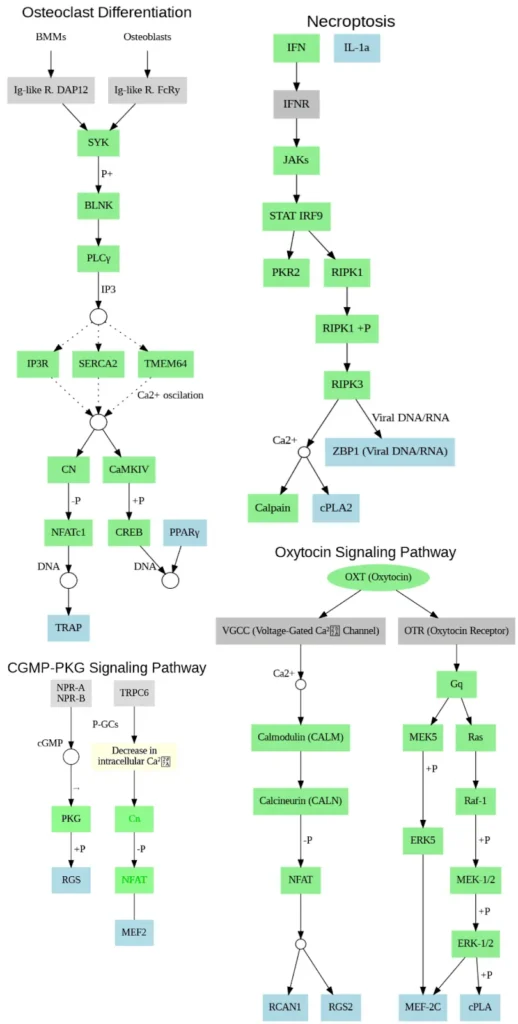
We collected four publicly available bovine RNA-Seq datasets related to infectious and inflammatory immune responses. Using a standardized bioinformatics pipeline involving FastQC, Trimmomatic, Bowtie2, SAMtools, FeatureCounts, DESeq2, and MetaRNASeq, we performed differential expression and meta-analysis to identify reproducible immune-related genes and pathways.
“This study highlights conserved immune pathways in cattle and demonstrates the power of transcriptomic meta-analysis for livestock health research.” – Dr. Ragothaman M. Yennamalli
How would you explain your research outcomes (Key findings) to the non-scientific community?
We discovered important genes that help cattle fight infections and respond to diseases. By combining multiple studies, we identified reliable immune response patterns that could help scientists develop better disease detection methods, vaccines, and healthier cattle breeds.
What are the potential implications of your findings for the field and society?
Our findings can support livestock health management, improve disease-resistant cattle breeding programs, and contribute to better vaccine and treatment development. Healthier cattle can improve food security, reduce economic losses for farmers, and promote sustainable agriculture.
What was the exciting moment during your research?
The most exciting moment was identifying immune-related genes that consistently appeared across independent datasets, confirming that our meta-analysis successfully captured conserved bovine immune mechanisms despite dataset variability.
Paper reference: Marimuthu, V. K. D., Matheswaran, K., Thambiraja, M., Onteru, S. K., & Yennamalli, R. M. (2026). Meta-analysis of transcriptomic datasets reveals key immune gene profiles and signaling pathways in Bos taurus. Animal Genetics, 57(3), e70117. https://doi.org/10.1002/age.70117
New Book Launched – Molecules, Mentors & Mindsets: Building Indian Biopharma
Buy your copy today: https://biopatrika.com/science-society/book-molecules-mentors-mindsets-building-indian-biopharma-biocon/
Book Launch: Molecules, Mentors & Mindsets: Building Indian Biopharma | Biocon Focus