



Engineering small molecules for miR-7a delivery to attenuate neuroferroptosis
Research Summary: My research focuses on developing innovative drug delivery systems, including small molecules, lipid nanoparticles, and LLPS-based systems, for non-coding RNA delivery to explore potential therapeutic strategies for Alzheimer’s disease.
Researcher Spotlight
Milind Kumar Anand is a Ph.D. scholar in the Bioorganic Chemistry Laboratory under the supervision of Prof. T. Govindaraju at the New Chemistry Unit (NCU), Jawaharlal Nehru Centre for Advanced Scientific Research (JNCASR), Bengaluru, Karnataka 560064, India.
Linkedin: https://www.linkedin.com/in/milind-kumar-61405a189/
Twitter: https://x.com/Bee_milind20
Instagram: https://www.instagram.com/bee_milind/?hl=en
Lab PI name: Prof. T. Govindaraju
University: Jawaharlal Nehru Centre for Advanced Scientific Research.
Linkedin: https://www.linkedin.com/in/tgr-lab-95380b30a/
Twitter: https://x.com/TgrLab
Lab website: https://t.co/6VW2EYYtqk
What was the core problem you aimed to solve with this research?
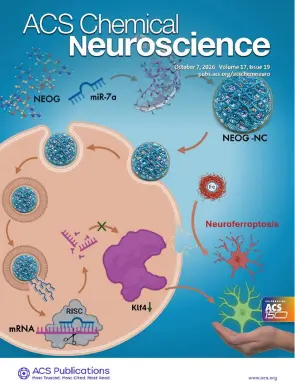
Alzheimer’s disease is a progressive neurodegenerative disorder that impairs memory, thinking, and cognitive function. Despite advances in research, effective therapeutic strategies targeting the early molecular mechanisms underlying Alzheimer’s-associated neurodegeneration remain limited. Most existing approaches focus on managing symptoms or addressing established pathological changes, highlighting the need for interventions that regulate disease-associated gene expression. To address this challenge, we explored a miRNA-based therapeutic strategy targeting Krüppel-like factor 4 (Klf4), a transcription factor implicated in neuroferroptosis (an iron-dependent form of regulated cell death associated with Alzheimer’s disease).
However, the therapeutic potential of miRNAs remains constrained by inefficient intracellular delivery, carrier-associated cytotoxicity, and reduced delivery efficacy under physiologically relevant conditions. To address these limitations, we developed a biocompatible delivery platform for miR-7a that facilitates efficient intracellular delivery and downregulation of Klf4, thereby mitigating ferroptosis-associated cellular damage. This strategy establishes a potential framework for targeting the miR-7a–Klf4 regulatory axis as a miRNA-based therapeutic approach for Alzheimer’s disease-associated neurodegeneration.
How did you go about solving this problem?
Many existing delivery systems are limited by carrier-associated cytotoxicity and reduced delivery efficiency under physiologically relevant conditions. To address these limitations, we adopted a rational molecular design strategy to develop a biocompatible delivery platform that combines high RNA-binding affinity with efficient intracellular delivery under physiologically relevant conditions. Aminoglycosides were selected as the molecular scaffold because of their intrinsic affinity for RNA and the presence of glycosidic linkages that may facilitate intracellular degradation. To enhance miRNA interactions, we functionalized the aminoglycosides with guanidine groups, increasing their potential for electrostatic interactions and hydrogen bonding with the RNA cargo. Among the synthesized guanidine-functionalized aminoglycosides, neomycin-guanidine demonstrated particularly strong miRNA-binding and condensation capabilities, along with a favorable cytocompatibility profile. The degradable glycosidic linkages may contribute to its biocompatibility. Furthermore, the resulting nanocomplexes exhibited efficient miRNA delivery under physio-viscous conditions designed to mimic the extracellular environment. Collectively, this strategy addresses two major challenges in nucleic acid delivery, carrier-associated cytotoxicity and reduced delivery efficiency under physiologically relevant viscosity conditions, establishing a promising platform for miR-7a delivery and modulation of the miR-7a-Klf4 regulatory axis, with potential therapeutic applications in mitigating neuroferroptosis associated with Alzheimer’s disease.
“Biocompatible NEO G efficiently delivers miR-7a, modulating the miR-7a/Klf4 axis to suppress neuroferroptosis and mitigate Alzheimer’s pathology.” – Prof. T. Govindaraju
How would you explain your research outcomes (Key findings) to the non-scientific community?
Alzheimer’s disease is a progressive brain disorder that affects memory, thinking, and cognitive function. While many existing treatments focus on managing symptoms, my research explores the possibility of addressing disease-related changes at the genetic level using miRNA which play an important role in regulating gene activity.
We developed a molecular delivery system based on aminoglycosides, a class of sugar-containing molecules, by introducing guanidinium groups to strengthen their interaction with miRNAs and improve their delivery into cells. Among the molecules studied, neomycin-guanidine demonstrated promising RNA-binding properties and a favourable biocompatibility profile. Importantly, our system also performed effectively under conditions that mimic the viscosity of the body’s extracellular environment, making the findings more relevant to biological conditions.
In simple terms, our research aims to develop an efficient molecular transport system that helps important gene-regulating molecules reach cells. These findings provide a promising foundation for advancing miRNA-based therapeutic strategies for Alzheimer’s disease and other neurodegenerative disorders.
What are the potential implications of your findings for the field and society?
Our findings have potential implications for the development of safer and more effective RNA-based therapeutics for neurodegenerative diseases, particularly Alzheimer’s disease. By demonstrating the potential of guanidine-functionalized aminoglycosides as biocompatible small-molecule delivery vectors, this work offers an alternative to conventional nucleic acid delivery systems that often face challenges related to cytotoxicity and delivery efficiency under physiologically relevant conditions. The successful delivery of miR-7a and modulation of the miR-7a-Klf4 regulatory axis highlight the potential of targeting gene-regulatory pathways to mitigate neuroferroptosis-associated cellular damage. From a broader perspective, this approach could contribute to the development of molecularly targeted therapeutic strategies for Alzheimer’s disease and other conditions involving ferroptosis-associated neurodegeneration. Although further validation in preclinical models is necessary, these findings provide a promising foundation for advancing biocompatible miRNA delivery technologies, with the long-term goal of improving therapeutic outcomes and quality of life for individuals affected by neurodegenerative diseases.
What was the exciting moment during your research?
The most exciting moment during our research was observing that neomycin-guanidine could efficiently deliver miR-7a even under conditions that mimic the body’s natural extracellular environment. This was particularly rewarding because our delivery system maintained its efficiency under physiologically relevant conditions. More importantly, the delivered miR-7a effectively downregulated Klf4 expression and reduced ferroptosis-associated cellular damage. Seeing our rational molecular design translate into a meaningful biological outcome was a significant milestone, highlighting the potential of our approach to address key challenges in miRNA delivery and advance the development of RNA-based therapeutic strategies for Alzheimer’s disease.
Paper reference: Anand, M. K.; Satha, P.; Moorthy, H.; Ramesh, M.; Mandal, S.; Govindaraju, T. Guanidine-Functionalized Aminoglycosides Enable miR-7aDelivery to Attenuate Neuroferroptosis. ACS Chem. Neurosci. 2026, 17, 3370-3387. https://doi.org/10.1021/acschemneuro.6c00389