



Rare Marine Microbes Keep Ocean Ecosystems Stable
Research Summary: We analyzed 4,611 global marine microbiome samples to uncover how ocean microbial communities assemble and remain stable, revealing the ecological processes and microbial interactions that support ecosystem resilience.
Researcher Spotlight
Pranathi Ravikumar majored in Biological Sciences at IIT Madras, with research interests spanning computational biology, microbial ecology, and bioinformatics.
Linkedin: https://www.linkedin.com/in/pranathi-r-a0ab8927a/
Lab: Prof. Karthik Raman, Indian Institute of Technology, Madras
Lab social media: https://www.linkedin.com/company/computational-systems-biology-lab-iit-madras/
What was the core problem you aimed to solve with this research?
Marine microbes drive nutrient cycling, food webs, and climate regulation, yet we still do not fully understand what shapes these communities across the world’s oceans. We wanted to uncover the ecological processes that govern how marine microbial communities form, interact, and maintain stability across different environments and latitude zones.
How did you go about solving this problem?
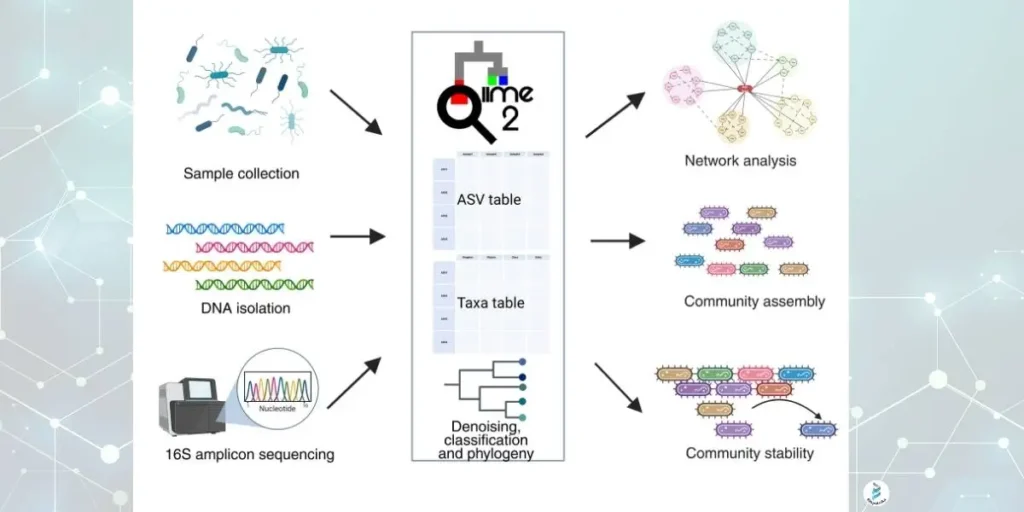
We analyzed 4,611 marine microbiome samples from multiple global ocean expeditions. Using bioinformatics, ecological modeling, and microbial network analysis, we investigated how community assembly processes and microbial interactions vary across latitude zones and marine ecosystems.
“Our study reveals that even rare microbes play vital roles in sustaining ocean ecosystem stability, improving predictions of marine resilience under environmental change.” – Prof. Karthik Raman
How would you explain your research outcomes (Key findings) to the non-scientific community?
We found that ocean microbial communities are shaped largely by the movement and dispersal of microbes rather than by environmental conditions alone. We also discovered that less abundant microbes play a surprisingly important role in holding these communities together and helping them remain stable when conditions change.
What are the potential implications of your findings for the field and society?
Our findings improve understanding of how ocean ecosystems respond to environmental disturbances, including climate change, by identifying microbes that underpin ecosystem stability. These insights support Sustainable Development Goal 14 (Life Below Water) by enhancing our ability to predict, protect, and sustainably manage marine ecosystems essential to life on Earth
What was the exciting moment during your research?
The highlight of the study was discovering that some of the rarest microbes were key contributors to the stability of microbial communities. We expected the most abundant microbes to be the key drivers of resilience, but our analyses revealed that specialist taxa often had a greater impact on network stability. It was a surprising finding that changed how we think about the ecological importance of rare microbial species.
Paper reference: Ravikumar P, Ravindran A, Raman K.0.Deciphering global patterns of marine microbial community assembly and network stability. mSystems0:e00470-26.https://doi.org/10.1128/msystems.00470-26